Fences, Paint Colors, and Landscaping: Getting HOA Approval
How to package the three most common exterior-change requests by using the survey, approved palette, plant list, maintenance boundary, and neighbor-impact evidence.
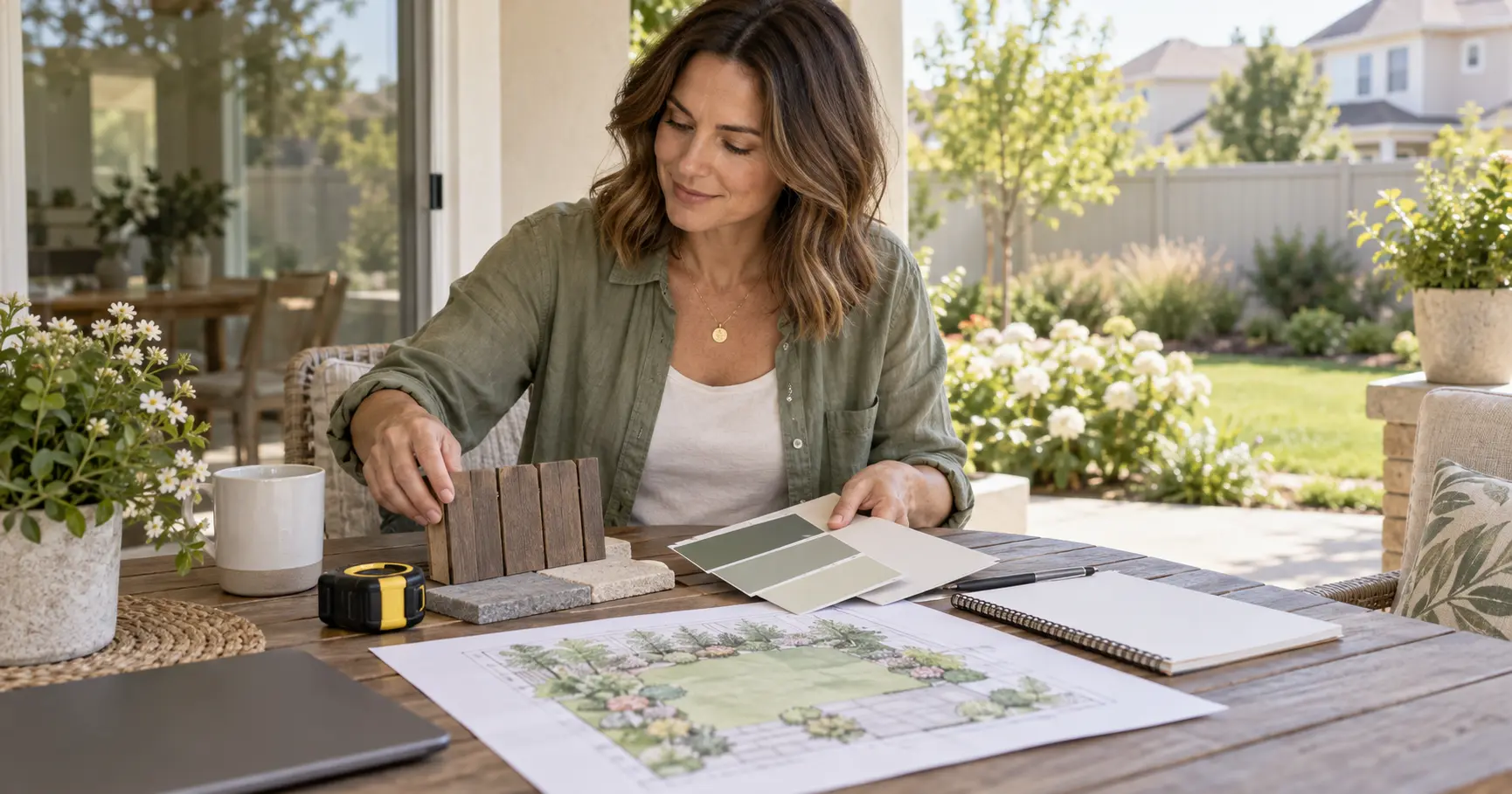
Fences, paint, and landscaping create disproportionate HOA friction because they look simple to the homeowner and highly visible to everyone else. Each project type has a different approval risk. Fences are about boundaries and geometry. Paint is about exact color and surface scope. Landscaping is about ownership, drainage, visibility, and long-term maintenance. Treating all three as 'cosmetic changes' leads to incomplete applications.
For a fence, start with the survey
Mark the proposed fence line on a current survey or plat. Identify easements, drainage areas, corner sight lines, shared walls, and any part of the yard that is common or limited common property. Then specify height, material, picket spacing or privacy style, finish, gate locations, and whether the finished side must face outward. If the community has multiple lot types, use the rule for your lot rather than the neighbor's.
For paint, use codes rather than color names
'Warm white' is not a reproducible specification. Submit the manufacturer and code for body, trim, door, shutters, and other surfaces. If you are repainting the same color, ask whether the guidelines exempt exact-match maintenance from review. Photograph the existing exterior in neutral daylight and, if possible, include a small digital mockup or physical swatch reference.
Landscaping is often a maintenance-boundary question first
Before removing a tree, replacing turf, adding rock, changing irrigation, or building a planter, determine who owns and maintains that area. In attached housing, a bed beside your unit may be common property. In a detached planned community, the association may still have easements or maintenance rights. The declaration, landscape map, and maintenance chart can matter more than where the area appears to fall visually.
| Project | Evidence that reduces follow-up | Common hidden issue |
|---|---|---|
| Fence | Survey + dimensioned elevation + material sample | Easement, corner visibility, shared boundary |
| Paint | Manufacturer/color codes + surface list + photos | Different rules for body, trim, door, masonry |
| Landscaping | Plant list + mature size + irrigation/drainage plan | Roots, drainage, common-area maintenance, prohibited species |
Ask for the approved-materials list before shopping
Many communities maintain a palette, fence standard, approved plant list, roofing sample book, or exterior-material schedule that is more current than the declaration. Request the current edition and effective date. Contractors who work frequently in the community may know the list, but their memory is not approval. Attach the actual approved product reference to your submission.
Neighbor impact is evidence, not always a veto
A committee may reasonably care about drainage onto an adjacent lot, a fence blocking a shared sight line, or a tree whose mature canopy affects common property. That does not mean every neighbor has legal veto power. If the form asks for neighbor acknowledgement, distinguish 'I received notice' from 'I approve.' Do not let an informal signature block expand beyond what the governing documents require.
Shared fences need a second file
A boundary fence can involve private property law, cost-sharing agreements, and HOA rules at the same time. Confirm the actual property line, who owns the existing fence, who will maintain the replacement, and whether a neighbor agreement is needed under local law. HOA approval alone does not decide private ownership or cost allocation between neighbors.
Keep the finished work inside the approval
- Give the contractor the approved plan, not only your verbal summary.
- Photograph material labels and color cans before installation.
- If field conditions force a location or material change, ask the association for written approval before proceeding.
- Take completion photos and save them with the approval.
If the rule seems arbitrary
Ask for the written standard and the decision reason before arguing. State law can restrict certain architectural controls, and governing documents may require standards to be published or applied consistently. But the strongest challenge is specific: identify the criterion, show how your proposal satisfies it, and document any truly comparable approvals.
These projects become manageable when the application describes the finished condition precisely. If a future board member can open your file and know exactly where the fence sits, which paint code is on the wall, or which tree species was approved, you have done the documentation correctly.
Inspect the finished project as if you were the next reviewer
After completion, photograph the work from the same angles used in the application and save invoices or product labels showing the approved material and color. For a fence, confirm height at grade changes and gate orientation. For paint, keep the manufacturer and code because “same beige” becomes impossible to prove after weathering. For landscaping, save the plant list and irrigation changes, especially where the owner and association split maintenance.
If the contractor made a field change, do not hide it in the final photos. Decide whether the change was immaterial under the approval or needs a written amendment. A six-inch fence relocation, substitute tree species, or different exterior finish can create a resale problem years later if the file contains an approval that no longer matches the property. Clean closeout records are part of the project, not optional paperwork.
For landscaping near utilities or drainage, add one more map: irrigation lines, drains, swales, utility easements, or association-maintained areas that the work could disturb. A visually compliant tree or hardscape plan can still create a maintenance conflict if roots, grading, or irrigation cross a shared system. Documenting that layer early reduces later arguments over who must repair the damage.
Questions homeowners ask
Do I need HOA approval to repaint the exact same color?
Maybe. Some guidelines exempt same-color maintenance; others require approval for any exterior painting. Check the current architectural rules and get a written answer if unclear.
Can my neighbor stop my HOA fence approval?
Only if the governing documents or applicable property law gives the neighbor a relevant right. A neighbor acknowledgement is not automatically a veto. Boundary ownership and shared-fence law can be separate issues.
Can the HOA control what trees I plant?
Often governing documents or landscape rules regulate visible landscaping, but authority and state-law limits vary. First determine whether the area is actually your property or common area.
What if the approved fence material is discontinued?
Request a written amendment or substitution approval before installation. Match the alternative to the published criteria and include manufacturer specifications.