The HOA Wants Access to Your Condo: What to Check Before a Repair
A practical owner checklist for verifying the association's access authority, clarifying a repair visit, protecting the unit, and documenting the work without assuming one nationwide notice rule.

A message that the association needs to enter your home can feel intrusive, especially when it arrives with little explanation. The reason may be routine work on a common element, a repair to a component the declaration assigns to the association, or an effort to stop water or another condition from damaging nearby units. The association's authority and notice procedure depend on the property type, declaration, state law, and urgency. Before deciding whether to schedule, object, or ask for more information, identify the actual repair, the clause or rule being relied on, and whether the request is routine or an emergency.
Start by identifying the property and the component
Do not treat every property called an HOA home as the same legal arrangement. In a condominium, a pipe, balcony surface, roof, window, or wall may be a common element, a limited common element, part of the unit, or an owner-maintained component under the declaration. A planned-community owner may own the house and lot while the association maintains common areas. The marketing label and the location of a pipe do not settle responsibility. Open the declaration, condominium plat or unit boundaries, maintenance matrix, and applicable rules. Search for phrases such as access, entry, repair, emergency, common element, maintenance, and owner responsibility.
Then compare the association's stated purpose with the document. If the request says a contractor will inspect a leak, ask whether the suspected source is in a common riser, shared wall, roof, or your unit-only equipment. Ask which area will be opened and whether the work is diagnostic, preventive, or a repair. A concise written description is often enough to confirm that everyone is discussing the same issue. If the association cites a specific declaration paragraph or statute, save that citation and read the surrounding section, including any notice, scheduling, damage, or cost language.
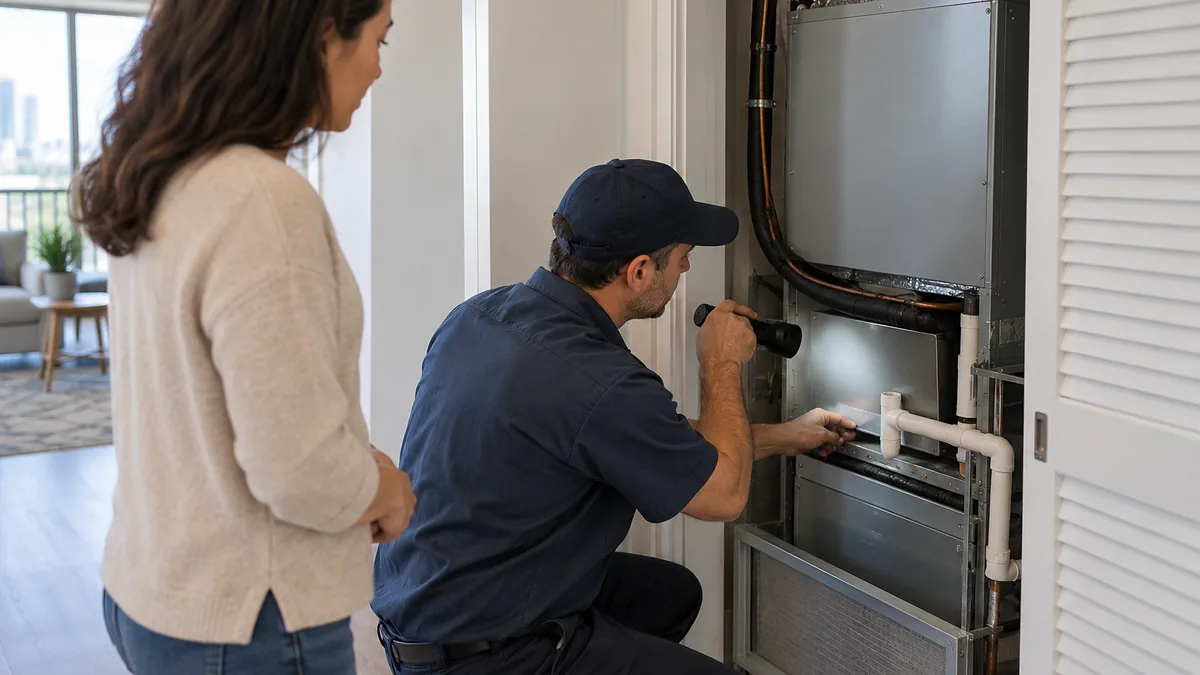
Separate routine access from an emergency
For nonemergency work, ask for the proposed date and time window, estimated duration, names or company for the people entering, areas they expect to access, whether water or power will be interrupted, and who will supervise or lock up. Request a reasonable alternate time if the proposed window creates a concrete problem. Offer a way to coordinate entry where practical, and ask whether you can be present or have a representative there. The governing documents or local law may set a procedure; there is no single nationwide number of hours or days that applies to every HOA and condo entry.
An urgent condition is different. A continuing leak, electrical hazard, fire condition, or risk to another unit may require rapid action under the governing documents and local law. If the request describes an immediate threat, ask the association to state the observed condition, the location, what action is needed now, and who is responding. Do not delay emergency help while debating ordinary scheduling details. Call emergency services or the utility provider when there is an immediate life-safety hazard, and notify the association once it is safe to do so.
| Before the visit | Ask or record | Why it helps |
|---|---|---|
| Authority and scope | Purpose, component, governing-document section, work area | Connects the request to the association's responsibility |
| People and timing | Vendor name, arrival window, expected duration, supervisor | Helps you coordinate access and confirm who arrives |
| Impact on the unit | Water, power, wall opening, dust, furniture movement | Lets you prepare and clarify restoration responsibilities |
| After-work closeout | Condition photos, work summary, damage contact, follow-up date | Creates a clear record if repair or restoration remains open |

Use the state example carefully
State examples help show why a national rule of thumb can mislead. Florida's 2026 Condominium Act says an association has a right of access to each unit during reasonable hours when necessary to maintain, repair, or replace common elements or a unit portion the association must maintain, or to prevent damage to common elements or a unit. A separate paragraph addresses entry into a unit presumed abandoned and contains a two-day notice provision for that specific abandoned-unit situation, absent an emergency. That two-day rule should not be repeated as a universal notice period for an occupied unit.
Texas Property Code §82.107 says unit owners must afford access through their units when reasonably necessary for maintenance, repair, and replacement responsibilities described in the statute, and it addresses prompt repair of damage caused through access. The statute also contains a separate entry provision for specified water-related conditions, subject to notice and the declaration. These examples apply to the named jurisdictions and statutory condominium regimes. Your community may have a different statute, property form, declaration language, or emergency procedure. Verify the current law and documents for your state rather than borrowing a neighbor's deadline.

Prepare the unit and preserve a baseline
Before a scheduled visit, photograph the work area and nearby surfaces, clear a safe path, secure pets, and move fragile items if the planned work could affect them. Do not remove or conceal a condition the vendor needs to inspect. If the association or contractor expects you to move appliances, empty cabinets, or shut off a utility, ask who is responsible and whether the change is necessary. Keep medication, sensitive documents, and valuables outside the work area. If the repair may disturb walls, flooring, or cabinetry, ask how dust control and temporary protection will be handled.
At arrival, confirm the vendor's name and that the visit matches the work order. You do not need to supervise every tool, but it is reasonable to know which rooms or systems are being accessed. Ask before a scope change that expands beyond the stated repair unless immediate action is needed to prevent damage. If you are uncomfortable with an unannounced person, verify the visit through the association's known contact channel. Do not rely on a phone number supplied only by an unexpected visitor.
After the work, close the loop in writing
When the vendor leaves, take photographs of the repaired area and any changed surfaces. Ask for a brief work summary: what was found, what was repaired, whether a follow-up visit is needed, and who will restore or repaint an opened area. If water was shut off, confirm when it can safely be restored and who approved that step. Send the association a neutral note summarizing the visit and attach only the relevant photos. Keep the work order, text messages, emails, and receipts together with your original condition photos.
- If damage occurred while a contractor crossed or worked in the unit, report it promptly with dated photographs and a short description of the before-and-after condition.
- Ask whether the association, contractor, insurer, or owner is the right contact for restoration. Do not accept a responsibility assignment before you understand the declaration and facts.
- If the repair is unfinished, request a named contact for follow-up, the next expected date, and any temporary steps needed to protect the unit.
- If access authority or responsibility remains disputed, preserve the documents and ask the association to identify its basis in writing; consider a local condominium attorney when the dispute is material or urgent.
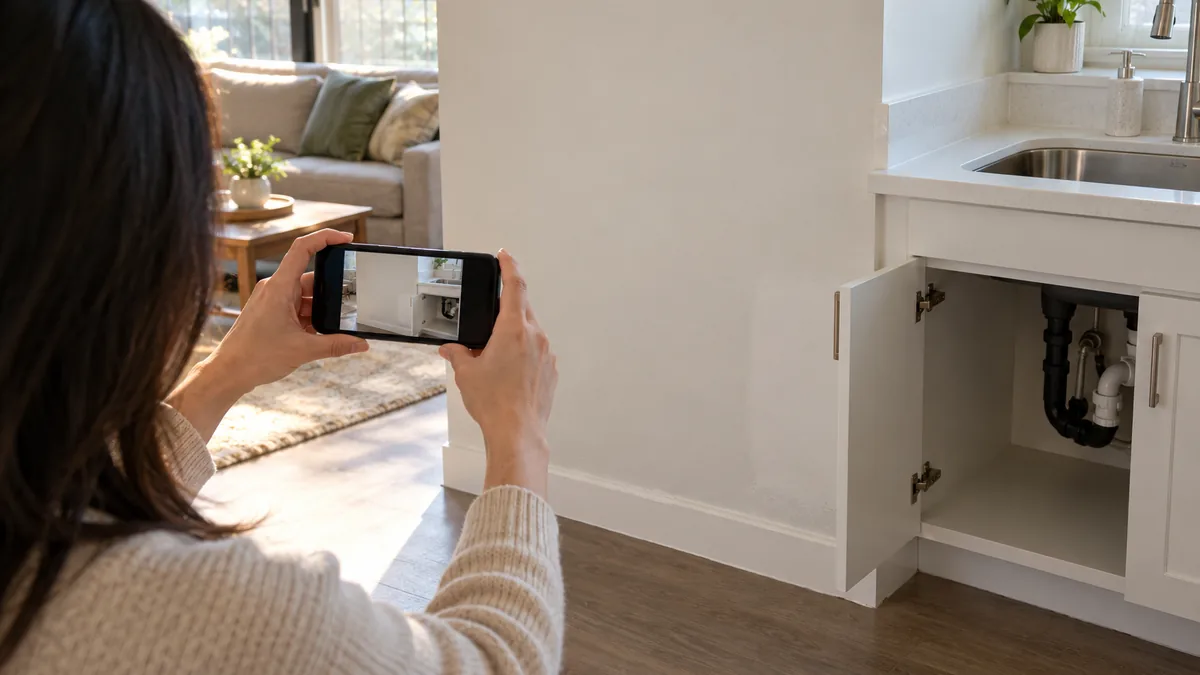
A careful record protects both sides. The association can show what work it authorized and whether the repair addressed a shared risk; you can show the unit's condition, who entered, and what remains. Stay factual, avoid threats or accusations in the first message, and use the community's written records process if the issue is not resolved. For a safety emergency, act on immediate risk first. For a planned repair, use the declaration, current law, and a clear work scope to make access predictable and preserve your rights.
Questions homeowners ask
How much notice must an HOA give before entering a condo?
There is no single nationwide notice period. Check the declaration, property type, state law, and whether the work is routine or an emergency. Do not assume a deadline from another state applies to your unit.
Can I refuse entry for a repair?
Do not assume that refusal is permitted. The association may have access rights for common-element work or to prevent damage, while the scope and procedure depend on the documents and law. Ask for the authority and repair details, and get local legal advice if a material dispute remains.
What should I do if a contractor damages my unit?
Photograph the condition, report it promptly in writing, save the work order and communications, and ask who will inspect and restore the area. Responsibility depends on the facts, governing documents, contracts, and local law.
Does an HOA have the same entry rights in a single-family home and a condominium?
Not necessarily. Ownership boundaries and maintenance duties differ by property type and community documents. Read the declaration, plat, maintenance provisions, and applicable state law for the specific component.